What Face Shape Do I Have? How to Tell in 2 Minutes
What face shape do I have? Learn how to measure your face at home, understand the six face shapes (oval, round, square, heart, oblong, diamond) and find the hairstyles, glasses and makeup that flatter each.

“What face shape do I have?” sounds like a simple question, until you stand in front of the mirror and realize your face could be oval, or maybe round, or possibly heart-shaped. You’re not alone. Most people find it hard to judge their own proportions.
Knowing your face shape is genuinely useful. It helps you choose a haircut you’ll love, glasses that fit your features and makeup placement that feels effortless. This guide shows you two quick ways to find out, then what flatters each shape. And remember: there’s no “best” face shape, only the one that’s yours.
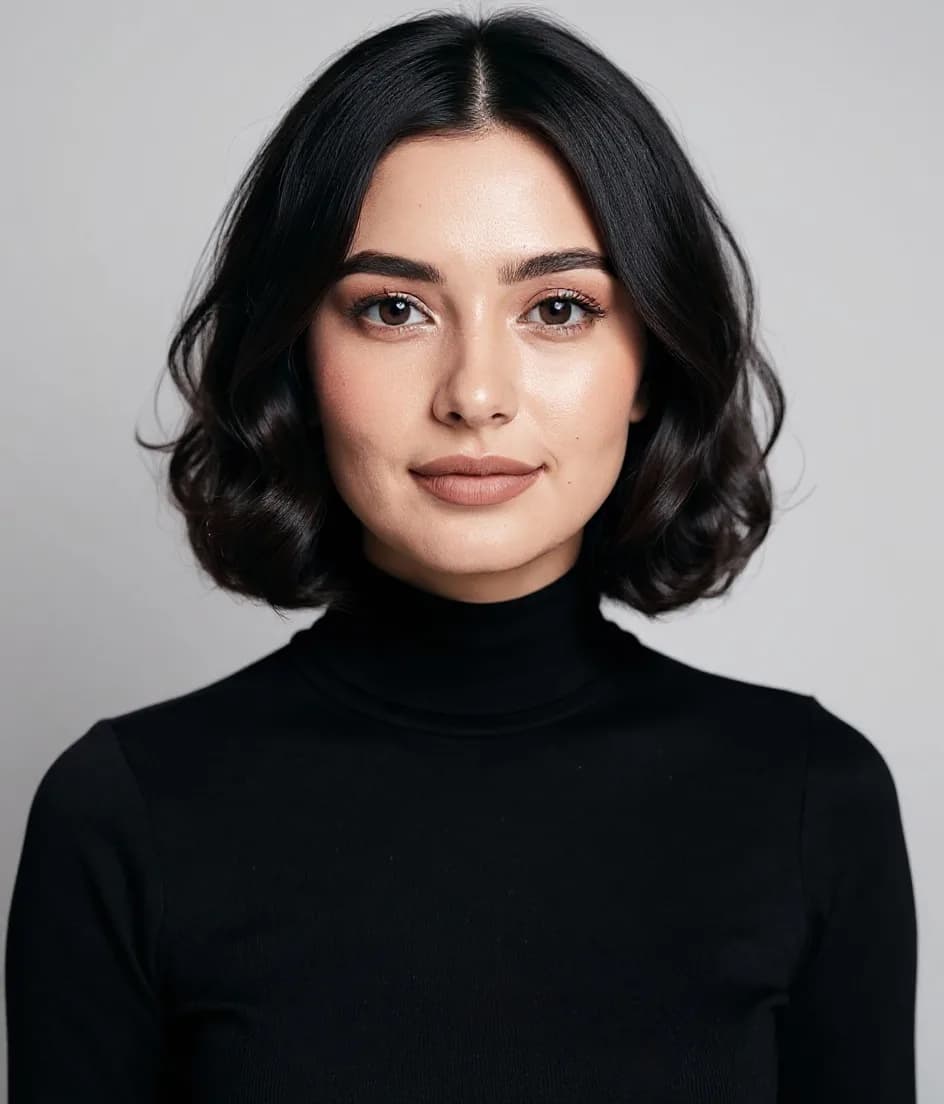
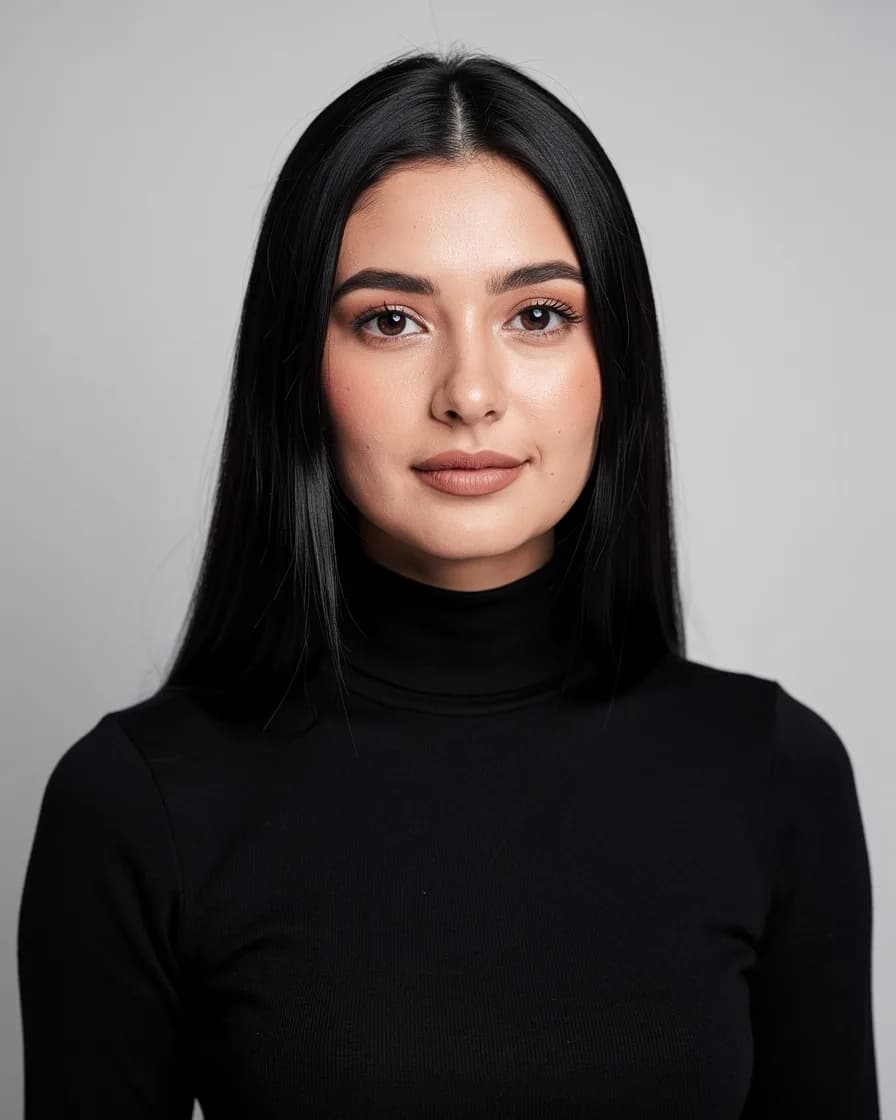
The fastest way: use the free face shape detector
The quickest, most accurate method is to let a tool do the measuring. Our free face shape detector finds 478 points on your face and compares your face length with the width of your forehead, cheekbones and jaw.
- Take a straight-on selfie. Look directly at the camera, phone at eye level.
- Pull your hair back. Hair over the forehead or cheeks hides the outline.
- Keep a neutral expression. A big smile widens the cheeks and changes the result.
- Upload it. The detector tells you your face shape, plus hairstyles, makeup and accessories that suit you.
The analysis runs entirely in your browser, so your photo never leaves your device.
Tip: try two or three photos. If you get the same result twice, that’s your shape. If results switch between two shapes, you’re probably a combination, which is very common.
The manual way: measure your face
Prefer to do it yourself? Grab a soft measuring tape and a mirror, pull your hair back, and take four measurements:
- Forehead width: across the widest part of your forehead, roughly halfway between brows and hairline.
- Cheekbone width: across the face from the peak of one cheekbone to the other, just below the outer corners of your eyes.
- Jawline width: from just below one ear to the corner of the jaw, then double it, or measure straight across from jaw corner to jaw corner.
- Face length: from the center of your hairline to the tip of your chin.
Write the numbers down, then compare them with the shapes below. Using cheekbone width as your reference point makes it easier: is your face much longer than your cheekbones are wide? Is your jaw nearly as wide as your cheekbones?
The six face shapes
Oval
How to spot it: face length is noticeably longer than cheekbone width (roughly one and a half times), the forehead is slightly wider than the chin and the jaw is softly rounded.
What flatters it: almost everything. Long layers, a sleek bob, curtain bangs or slicked-back styles all work. Keep contour light and focused on the cheekbones. Most glasses frames suit oval faces.
Round
How to spot it: face length and width are similar, cheeks are full and the jawline is soft and rounded with no sharp angles.
What flatters it: length and height. Long layers that fall below the chin, side parts and a little volume on top elongate the face. Blunt, chin-length bobs add width, so they’re less flattering. Try rectangular or angular glasses and long drop earrings. A higher brow arch adds length too.
Square
How to spot it: forehead, cheekbones and jaw are all a similar width, with a strong, angular jawline and a relatively flat chin.
What flatters it: softness. Waves, layers and side-swept bangs soften the angles. For men, a textured crop or a longer top works well. Round or oval glasses and hoop earrings balance a strong jaw. Many people with square faces love showing off their jawline, and that’s a great choice too.
Heart
How to spot it: a wider forehead and cheekbones that narrow to a delicate, sometimes pointed chin. Many heart shapes also have a widow’s peak.
What flatters it: balance at the jaw. Chin-length bobs, side-swept or curtain bangs and volume around the lower half of the face work beautifully. Avoid lots of height at the crown. Bottom-heavy or rimless glasses and teardrop earrings are flattering, and blush on the apples of the cheeks looks lovely.
Oblong (rectangle)
How to spot it: the face is noticeably longer than it is wide, with forehead, cheekbones and jaw of similar width and a straight cheek line.
What flatters it: width. Bangs visually shorten the face, and waves or volume at the sides add balance. Very long, straight styles can make the face look longer. Oversized or deep frames and wide or round earrings work well. Blush placed horizontally across the cheeks helps too.
Diamond
How to spot it: high, wide cheekbones are the widest part of the face, with a narrower forehead and a narrower chin.
What flatters it: volume at the forehead and chin. Chin-length cuts, side-swept bangs and tucked-behind-the-ear styles that show off cheekbones are ideal. Oval or cat-eye glasses and studs or wide-bottom earrings complement the shape. Highlight the forehead and chin and add soft contour under the cheekbones.
Common mistakes when finding your face shape
- Measuring with your hair down. Hair hides the true outline of your forehead and jaw.
- Using a selfie taken up close. Wide-angle phone lenses widen the nose and the middle of the face. Hold the phone at arm’s length, or use the rear camera with a timer.
- Tilting your head. Looking down makes your face look rounder; looking up makes your jaw look wider.
- Smiling widely. A big smile widens the cheeks.
- Expecting a perfect match. Faces are unique. If you’re between two shapes, use tips from both.
Try hairstyles on your face shape
Once you know your shape, the next step is seeing it in action. With AI hairstyles in FaceBodyTune you can try a bob, long layers, curtain bangs or a buzz cut on your own photo before your next salon visit. Your face stays the same; only the hairstyle changes.
- Upload your photo. Open the free editor and add a clear, straight-on photo.
- Open AI hairstyles. Choose the AI hairstyle tool.
- Pick a style that suits your shape. Use the suggestions above or the results from the face shape detector.
- Compare a few. Try two or three options side by side.
- Download. Save your favorite and show it to your hairdresser.
Each AI hairstyle uses one AI edit, and every free account gets AI edits each day. For a deeper analysis, try the free hairstyle analysis tool, and read our guide on how to try new hairstyles on your face.
Your face shape is a guide, not a rule
Face shape advice is a helpful starting point, not a set of restrictions. Plenty of round faces look incredible with a blunt bob, and plenty of oblong faces rock long, sleek hair. Use what you learn here to understand why certain styles feel right, then wear what makes you feel like yourself.
Quick checklist
- Hair pulled back, neutral expression, camera at eye level.
- At least two photos or two sets of measurements.
- Compare your face length with your cheekbone width first.
- Then compare your forehead and jaw with your cheekbones.
- If you’re between two shapes, borrow tips from both.
- Try a few hairstyles on your own photo before you commit.
Frequently asked questions
How can I find out my face shape?
Measure your forehead, cheekbones, jawline and face length, then compare them. Or upload a straight-on selfie to the free FaceBodyTune face shape detector, which measures your proportions in your browser in a few seconds.
What is the most common face shape?
Oval is often described as the most common, but many people are a mix of two shapes, such as oval and heart. That’s completely normal.
Can my face shape change?
Your bone structure stays the same, but weight changes, age and even facial hair can change how your face shape appears in photos.
Why do I get different face shapes in different photos?
Camera angle, lens distortion, expression and hair covering your face all change the measurements. Use a straight-on photo with your hair pulled back and a neutral expression.
Try it on your own photo
Free face and body edits right in your browser — plus AI tools when you want more.
Try hairstylesKeep reading

How to Try New Hairstyles on Your Face Before the Salon
Want to try new hairstyles on your face before you commit? Learn how to match cuts to your face shape, preview bobs, bangs and curls with AI, and bring the right reference to your stylist.

Seasonal Color Analysis: Find Your Season (Free 2026 Guide)
A practical guide to seasonal color analysis: what undertone, depth and contrast mean, how to tell Spring, Summer, Autumn and Winter apart, and how to test your season for free in daylight.

How to Change Hair Color in Photos (Natural Results)
Thinking about a new shade? Learn how to change hair color in photos so it looks real: choosing honey blonde, copper or ash brown, picking the right blend mode, and checking roots, ends and shine.